Source CNC Machined Bike Computer Mount for Mountain Road Bikes
Compare 30 verified listings for CNC machined bike computer mount options tailored for mountain, road, and kids bikes. Buyers can evaluate materials like aluminum and nylon, customization availability, and lead times ranging from 7 to 15 days before requesting quotes.
Key considerations
Products List


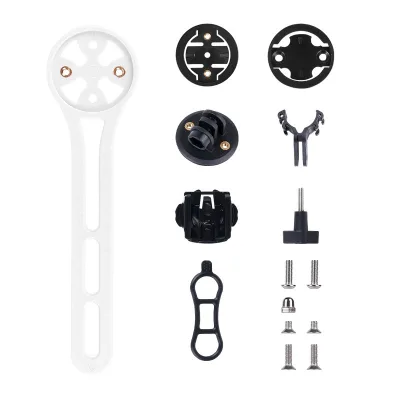


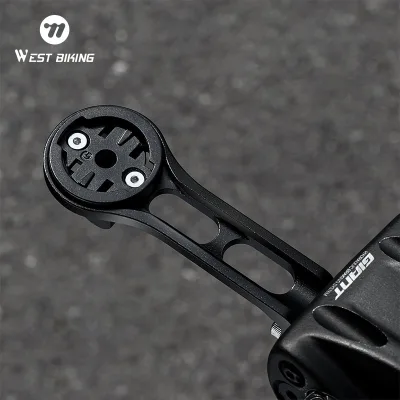
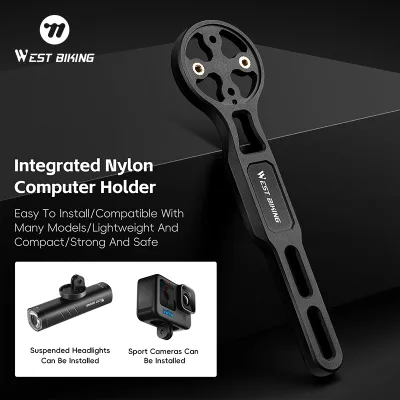
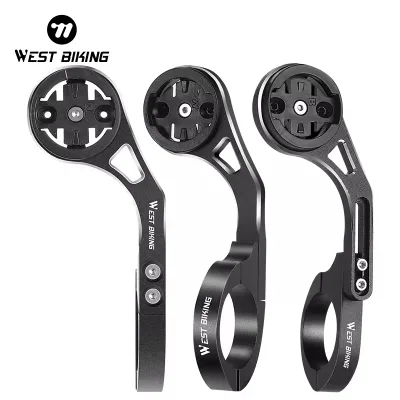
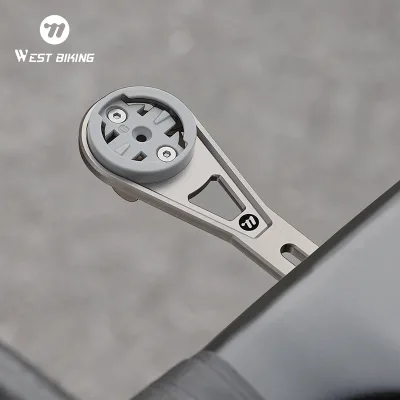


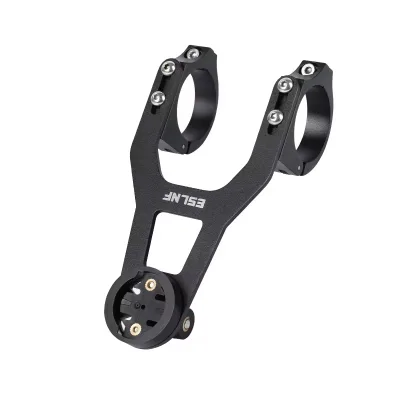
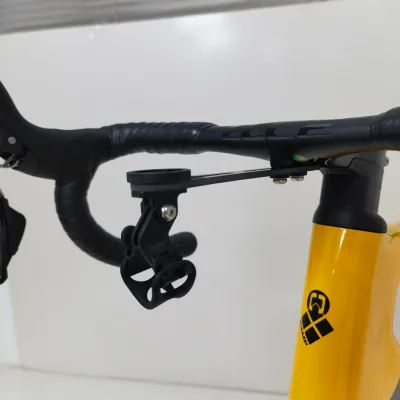
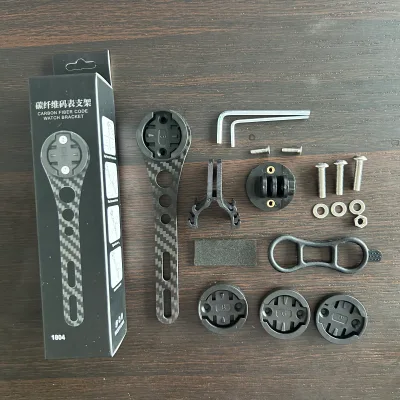




Comprehensive Sourcing Guide
CNC Machined Bike Computer Mount Sourcing Guide
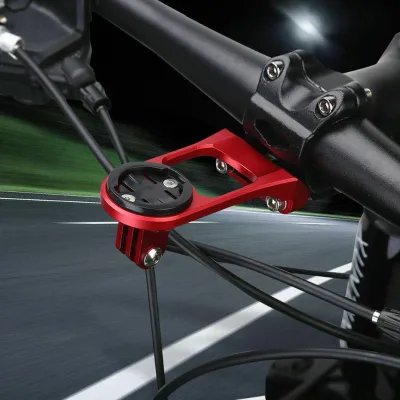
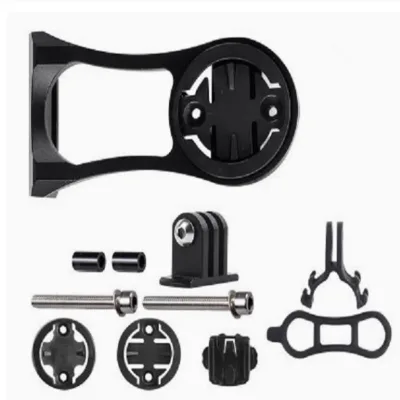
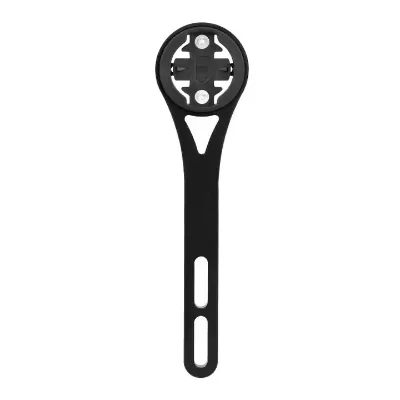
Sourcing CNC machined bike computer mounts requires a clear understanding of the intersection between precision manufacturing and consumer electronics accessories. These components serve as critical interfaces between digital cycling computers and bicycle handlebars, ensuring stability during high-speed rides or rough terrain navigation. Buyers must recognize that while the end product is a simple holder, the manufacturing process involves complex multi-axis machining to achieve tight tolerances and specific aesthetic finishes. The market offers a variety of designs, ranging from short handle to long handle configurations, each catering to different ergonomic preferences and bike frame geometries.
Procurement decisions should be driven by the specific application requirements of the target bicycle market, whether it serves ordinary bicycles, mountain bikes, road bikes, or kids' bikes. The material selection, often aluminum or nylon, directly impacts the weight, durability, and cost structure of the final product. Aluminum mounts typically offer a premium feel and superior rigidity, while nylon options provide lightweight flexibility and cost efficiency. Understanding these material distinctions is essential for aligning product offerings with brand positioning, whether the goal is to compete on price or to establish a reputation for high-performance, precision-engineered accessories.
Product Scope and Observed Listing Signals
The observed product landscape reveals a diverse range of specifications, with prices ranging from $0.5 to $100 USD and minimum order quantities (MOQs) varying from 1 to 1000 pieces. This wide variance indicates a market segmented by volume, customization level, and material quality. High-volume buyers may find suitable options with lower unit costs but higher MOQs, while smaller retailers or prototyping teams can access samples with lead times as short as 1-3 days. The presence of customization options suggests that suppliers are equipped to handle bespoke designs, allowing buyers to tailor the mount’s shape, color, and branding to their specific market needs.
Listing signals also highlight specific product models such as SA271, SA274, and XY-11111, each with distinct packaging dimensions and weights. For instance, some units are packaged in cartons or wooden boxes with dimensions like 25cm25cm15cm, while others have single package sizes of 15X3X3 cm. These logistical details are crucial for calculating landed costs and storage requirements. Buyers should carefully review the single gross weight, which ranges from 0.100 kg to 65.5g, to ensure that shipping costs remain competitive. The availability of multiple colors, including black, white, green, and rose red, further expands the potential for market differentiation.
Technical Specifications to Verify
Technical verification must begin with the machining process and tolerance levels. Suppliers typically utilize CNC machining, turning, milling, and lathe operations across 3, 4, 5, or 6 axes to produce these mounts. It is critical to verify the general tolerances, which may adhere to standards like ISO2768 Mk, and specific important tolerances, such as +/-0.005mm, to ensure a secure fit for the computer. The surface roughness, often specified as Ra 0.1~3.2, affects both the aesthetic quality and the friction characteristics of the mount. Buyers should request detailed drawings in formats like DWG, PDF, STEP, IGES, or X_T to validate these technical parameters before placing orders.
Material composition and anodizing options are equally important for long-term performance. Aluminum is a common material, offering a balance of strength and weight, while nylon provides alternative properties. The anodizing process can be customized to various colors, including red, green, blue, purple, and clear, which enhances corrosion resistance and visual appeal. Buyers must confirm that the anodizing layer meets industry standards for durability, especially for products intended for outdoor use. Additionally, the drive mode, typically rear wheel drive for the associated cycling dynamics, and the shape, whether short or long handle, should be matched to the intended bicycle type to ensure optimal user experience.
Compliance and Safety Documentation
Compliance documentation is a non-negotiable aspect of sourcing, particularly when dealing with products that may be subject to international trade regulations. Buyers should verify that suppliers hold relevant certifications such as ISO, GS, RoHS, and CE, which indicate adherence to quality management, safety, and environmental standards. These certifications are not merely decorative; they serve as proof that the manufacturing processes and materials used are safe and compliant with regional regulations. For instance, RoHS compliance ensures that hazardous substances are limited, which is crucial for electronic accessories and their mounting hardware.
In addition to product-specific certifications, buyers should inquire about broader corporate compliance standards like ISOEEC, BSCI, and CE. These standards reflect the supplier’s commitment to ethical labor practices and environmental responsibility, which are increasingly important to global brands and consumers. Documentation should also include test reports for mechanical strength and durability, ensuring that the mount can withstand the vibrations and stresses of cycling. Buyers must ensure that all provided certificates are current and issued by recognized accreditation bodies to avoid potential customs delays or market rejection.
Cost Drivers and Commercial Terms
Cost drivers for CNC machined bike computer mounts include material selection, machining complexity, surface finishing, and order volume. Aluminum and nylon materials have different price points, and the choice of anodizing color can add to the cost. Complex geometries requiring 5-axis or 6-axis machining will incur higher labor and machine time costs compared to simpler 3-axis operations. Buyers should analyze the unit price in the context of the MOQ, as higher volumes often lead to significant discounts. The observed price range of $0.5 to $100 USD reflects these variables, with premium customizations commanding higher prices.
Commercial terms such as lead time and payment conditions are critical for supply chain planning. Typical lead times range from 7 to 14 days for production, with sample delivery taking 1-3 days. Buyers must factor in these timelines when planning inventory replenishment. Payment terms, often negotiated based on order size and relationship history, should be clearly defined in the contract. Additionally, packaging options, such as cartons or wooden boxes, and their associated costs should be included in the total landed cost calculation. Understanding these commercial dynamics helps buyers optimize their procurement strategy and maintain healthy margins.
Supplier Qualification and Quality Control
Supplier qualification involves assessing the manufacturer’s technical capabilities, production capacity, and quality management systems. Buyers should verify that the supplier has experience in CNC machining and can handle the specific tolerances and surface finishes required for bike computer mounts. The ability to provide samples within 1-3 days is a positive indicator of operational efficiency. Additionally, the supplier’s location, often in regions like Jiangsu, China, should be considered for logistical convenience and supply chain resilience. Buyers should request factory audits or virtual tours to evaluate the production environment and equipment.
Quality control measures must be robust to ensure consistent product quality. Suppliers should implement strict inspection protocols at various stages of production, from raw material intake to final packaging. The use of standard tolerances like ISO2768 Mk and specific tolerances like +/-0.005mm should be verified through statistical process control. Buyers should also inquire about the supplier’s defect rate and return policy. Establishing a clear quality agreement with defined acceptance criteria is essential to minimize risks and ensure that the delivered products meet the buyer’s specifications.
Long-Term Procurement Checks
Long-term procurement success depends on continuous supplier performance monitoring and relationship management. Buyers should regularly review key performance indicators such as on-time delivery, product quality, and responsiveness to issues. The ability of the supplier to adapt to changing market demands, such as new bicycle models or design trends, is a valuable asset. Maintaining open communication channels and conducting periodic business reviews can help identify areas for improvement and strengthen the partnership. Buyers should also stay informed about industry trends and technological advancements in CNC machining and materials science.
Sustainability and ethical sourcing are becoming increasingly important in long-term procurement strategies. Buyers should encourage suppliers to adopt environmentally friendly practices and comply with social responsibility standards. This includes reducing waste, optimizing energy usage, and ensuring fair labor practices. By aligning with suppliers who share these values, buyers can enhance their brand reputation and meet the growing consumer demand for responsible products. Regularly updating the supplier base and exploring new partnerships can also mitigate risks and ensure a resilient supply chain for the future.
FAQs
What materials are used for CNC machined bike computer mounts?
These mounts are primarily manufactured from aluminum and nylon. Aluminum offers high strength and durability for heavy-duty use, while nylon provides a lightweight alternative. Both materials support anodizing in various colors like red, green, blue, and purple. The choice depends on the desired weight and aesthetic for the bicycle application.
Can I request custom designs for CNC machined bike computer mounts?
Yes, customization is available for these products. Buyers can submit drawings in formats such as DWG, PDF, STEP, IGES, or X_T. The manufacturer supports CNC machining, turning, milling, and lathe processes to create custom parts. This allows for specific tolerances and shapes tailored to unique bicycle computer holder requirements.
What certifications do these CNC machined parts hold?
The products hold certifications including ISO, GS, RoHS, CE, ISOEEC, and BSCI. These standards ensure quality and safety for metal processing machinery parts and bicycle accessories. Buyers can verify compliance with international standards before placing orders. The certifications cover both the material safety and the manufacturing process quality.
What is the lead time for ordering CNC machined bike mounts?
The typical lead time is 7 to 14 days after placing the order. Samples can be provided within 1 to 3 days for quality verification. Delivery times may vary slightly based on order volume and customization needs. Buyers should plan their procurement schedule accordingly to ensure timely receipt of the bicycle computer holders.
What are the minimum order quantities for these bike mounts?
Minimum order quantities range from 1 to 1000 pieces, with some listings specifying 300 pieces. This flexibility allows buyers to test the market with smaller orders or fulfill large-scale needs. The MOQ depends on the specific product model and customization level. Buyers should confirm the exact MOQ with the supplier before finalizing the purchase.
Which bicycle types are compatible with these computer mounts?
These mounts are suitable for ordinary bicycles, mountain bikes, road bikes, and kids bikes. They feature short or long handle shapes to fit various handlebar configurations. The design ensures a secure hold for cycling computers. The lightweight construction adds minimal weight to the bicycle, preserving performance and handling characteristics for all rider types.